
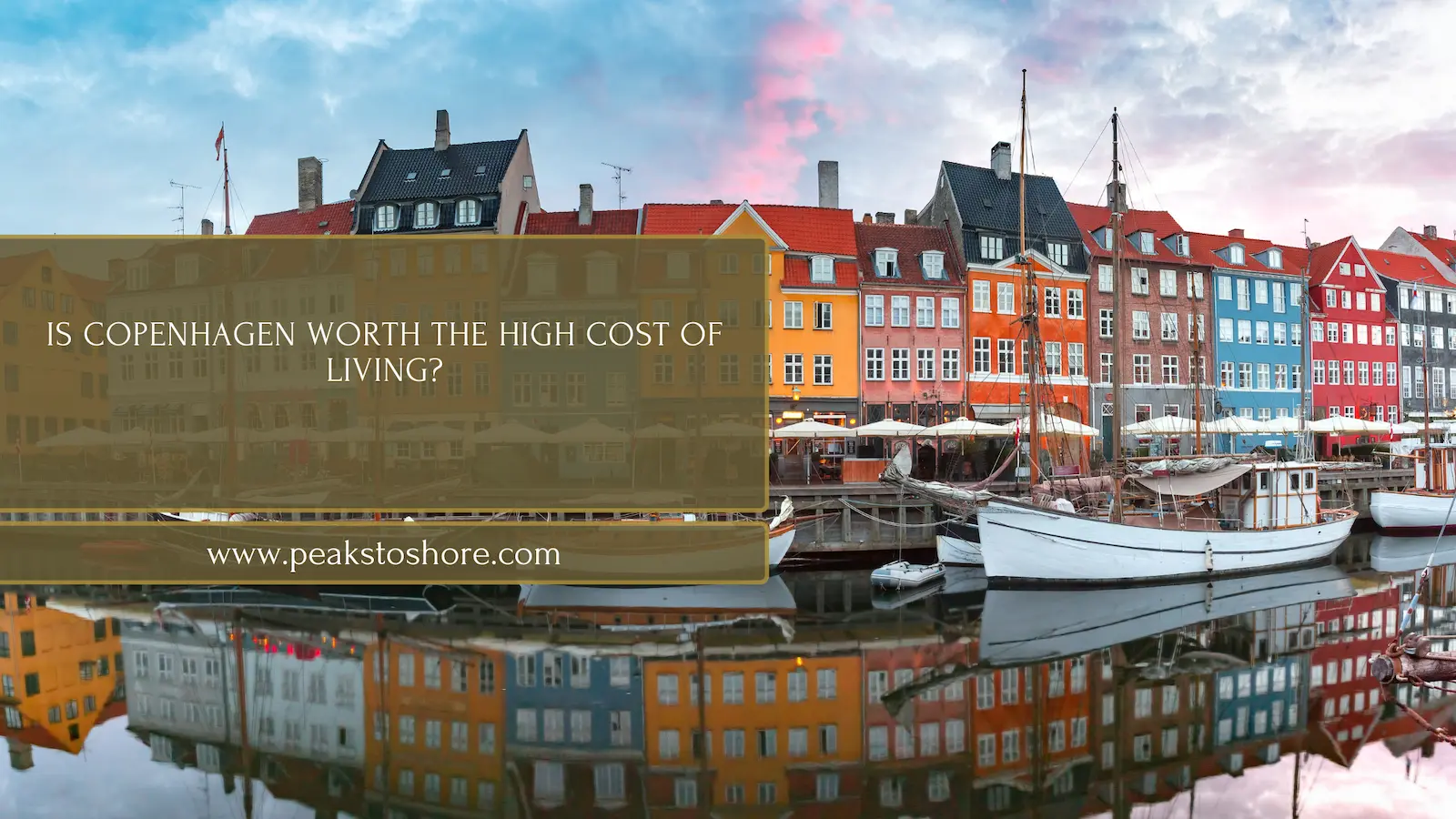
Copenhagen regularly ranks among the most expensive cities in Europe — and often globally. Rent is high, taxes are unavoidable, and everyday expenses like groceries or public transport can feel steep compared to many other EU capitals.
But for people who actually live and work in Copenhagen, the conversation is more nuanced. The real question isn’t whether Copenhagen is expensive — it clearly is — but whether the quality of life, stability, and public systems justify the cost for local residents.
This article takes a realistic, resident-focused look at housing, salaries, taxes, daily expenses, public services, and lifestyle value, without the tourist lens.
Why Copenhagen Is So Expensive
Copenhagen’s high cost of living isn’t accidental. It’s the result of long-term structural choices rather than short-term inflation.
Key reasons include:
- High average wages across most industries
- A comprehensive welfare system funded through taxes
- Strong tenant protections and limited housing supply
- Heavy regulation on food quality, alcohol, and services
- Continuous investment in public infrastructure
According to Statistics Denmark, housing, food, and transport remain the largest expense categories for residents.
Housing Costs: The Reality for Residents
Housing is the biggest financial pressure point for anyone living in Copenhagen.
- Central neighborhoods like Vesterbro, Nørrebro, Østerbro, and Frederiksberg come with premium rents
- Demand consistently outpaces supply, especially for long-term rentals
- Waiting lists, housing associations, and informal networks play a major role
Many residents choose to live slightly outside the city core — areas such as Valby, Vanløse, Brønshøj, or Amager — and commute by bike or public transport. This often offers better value without sacrificing access.
If you’re new to the city, avoiding early mistakes can save thousands over time.
Salaries vs Taxes: Does the Math Work?
On paper, salaries in Copenhagen are high by European standards, particularly in:
- Tech and IT
- Engineering
- Healthcare
- Design and creative industries
- Finance and consulting
However, Denmark’s progressive tax system means take-home pay is significantly lower than gross salary suggests.
What often gets overlooked is what taxes actually replace:
- No private health insurance costs
- Free or heavily subsidized education
- Childcare subsidies
- Strong unemployment and sickness benefits
For many residents, this trade-off creates financial predictability, even if disposable income feels tighter.
Read More about Taxes in Denmark for Expats here.
Cost of Daily Living: Groceries, Transport & Essentials
Groceries in Copenhagen are more expensive than in southern or eastern Europe, but price swings are minimal and quality standards are high.
- Discount chains like Rema 1000, Netto, and Lidl help keep food costs manageable
- Eating out regularly is expensive due to VAT and labor costs
- Alcohol prices significantly increase restaurant and bar bills
Transport is where Copenhagen strongly compensates:
- Cycling is the fastest and cheapest daily transport option
- Public transport is reliable, safe, and integrated across buses, metro, and trains
- Many households comfortably live without owning a car
Work–Life Balance: A Major Value Factor
Work–life balance is one of Copenhagen’s strongest advantages.
- Shorter average workweeks
- Limited overtime culture
- Strong employee protections
- Generous paid leave and parental benefits
This balance reduces burnout and long-term stress — benefits that aren’t easily measured financially but matter deeply over time.
Many residents report that while they save less than in lower-tax countries, they gain time, health, and stability.
What Residents Actually Get for High Taxes
Taxes are high in Copenhagen, but residents see tangible returns:
- Universal healthcare access
- Well-maintained public spaces
- Safe cycling and pedestrian infrastructure
- Reliable public transport
- Social security during unemployment or illness
For families, professionals, and long-term residents, these systems significantly reduce financial risk.
Social Life & Lifestyle Quality
Copenhagen offers a calm, structured lifestyle that prioritizes sustainability and balance.
- Clean streets and accessible waterfronts
- Strong café culture without pressure to overspend
- Community-focused neighborhoods
Social integration can take time, especially for newcomers, but relationships tend to be stable once formed.
5 ways of living in Copenhagen
Who Copenhagen Is (and Isn’t) Worth It For
Copenhagen is often worth the cost if you:
- Value stability over rapid wealth accumulation
- Plan to stay long term
- Benefit from public services
- Prefer predictable systems and low daily friction
It may feel less worth it if your primary goal is maximizing short-term disposable income.
Final Verdict: Is Copenhagen Worth the High Cost of Living?
Copenhagen is undeniably expensive. But for residents, the value lies not in low prices — it lies in reliable systems, personal time, safety, and long-term quality of life.
If your definition of “worth it” includes health, balance, and predictability, Copenhagen often justifies its cost. If it’s purely about saving money, other cities may make more sense.





0 Comments